SARMs Stacks vs Single Compound Use

Introduction: Why This Debate Matters
Selective Androgen Receptor Modulators (SARMs) have grown in popularity within the research community for their unique ability to bind selectively to androgen receptors. A key question often arises:
Should researchers study SARMs as single compounds or in stacked combinations?
This article explores the pros, potential drawbacks, and outcomes from available research on SARMs stacks vs single use — with references, disclaimers, and expert insights.
⚠️ Disclaimer: SARMs supplied by SMART SARMS are strictly for laboratory research purposes only. They are not for human consumption.
What Does “Stacking SARMs” Mean?
In research contexts, stacking refers to combining two or more SARMs together in the same experimental protocol.
Examples of commonly stacked SARMs include:
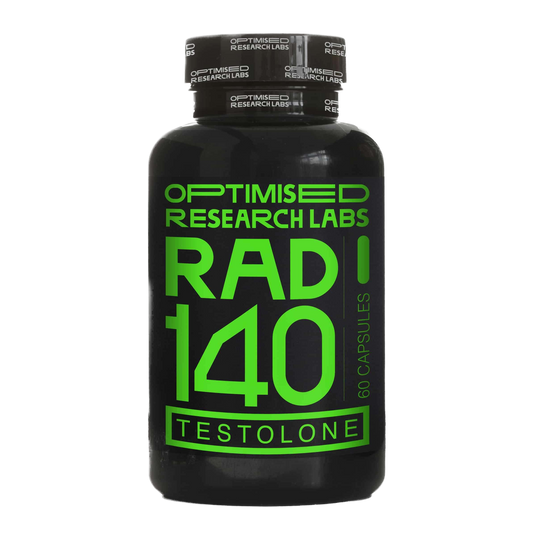
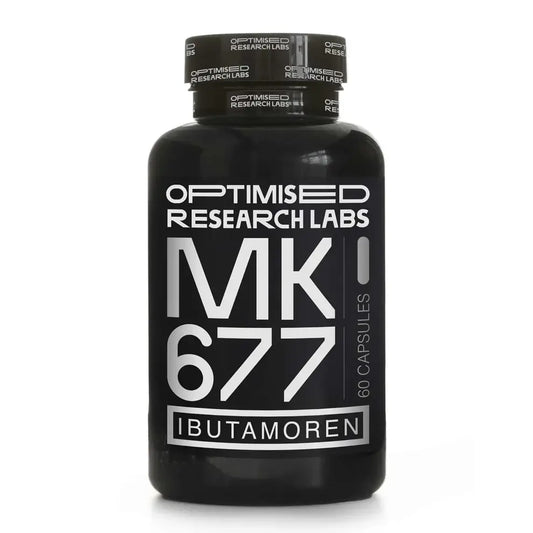
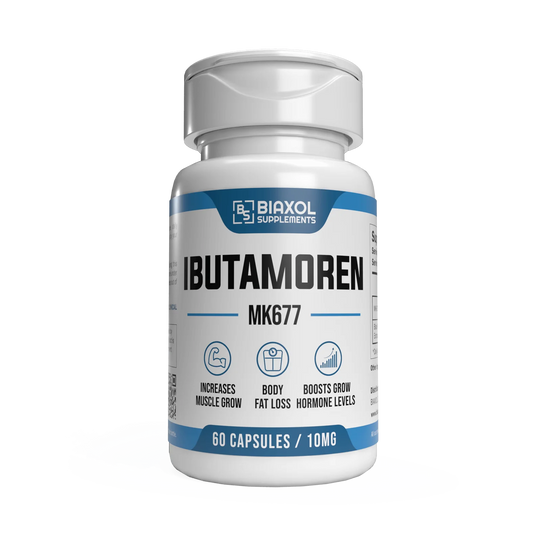
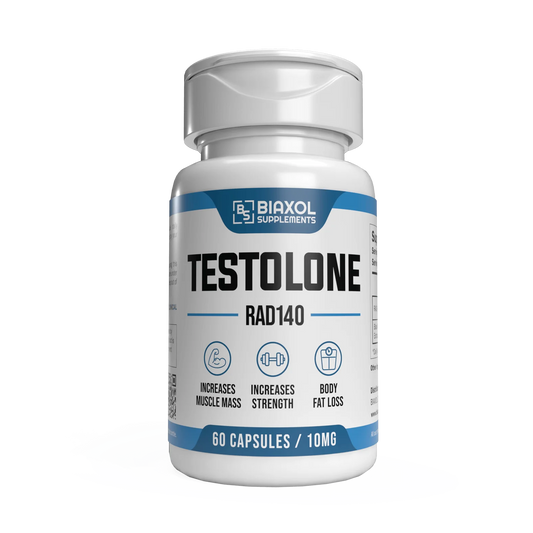
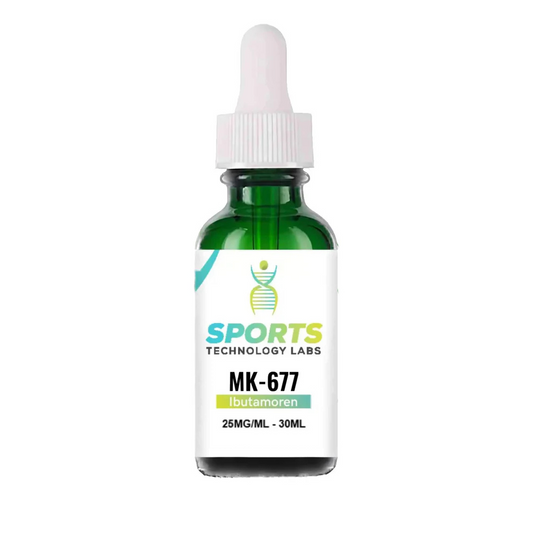
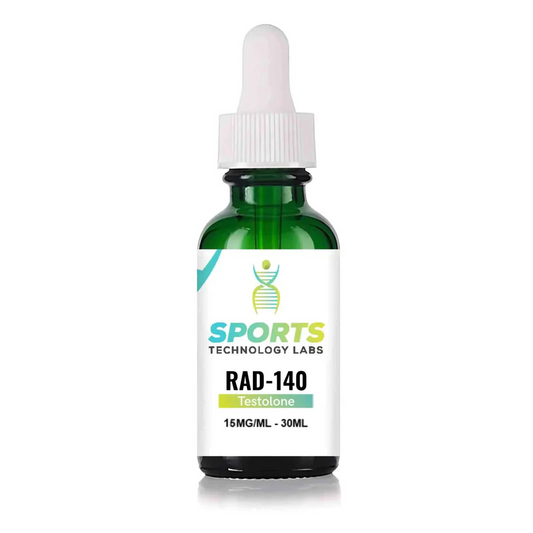
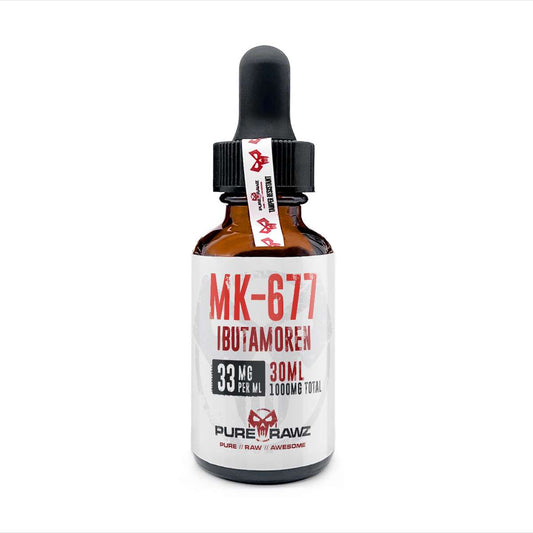
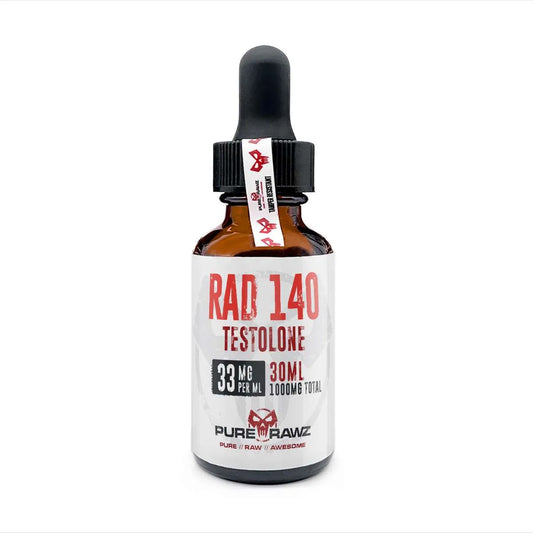
- RAD-140 (Testolone) + MK-677 (Ibutamoren)
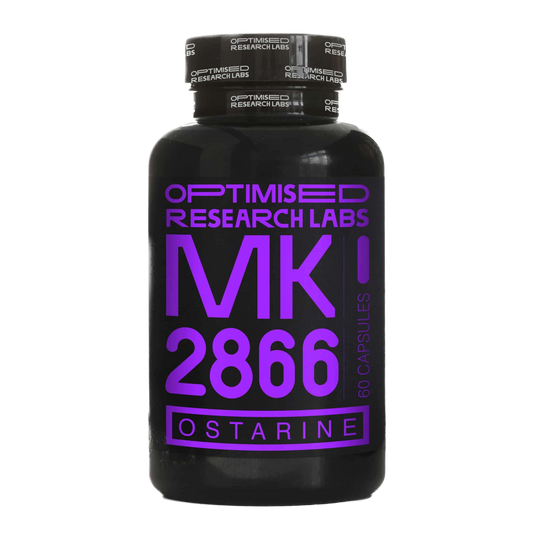
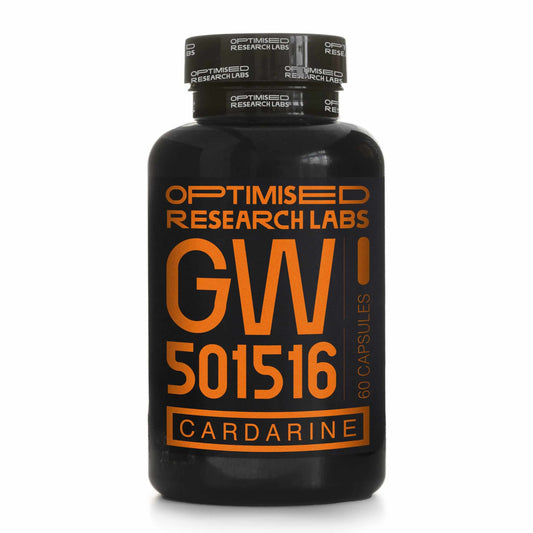
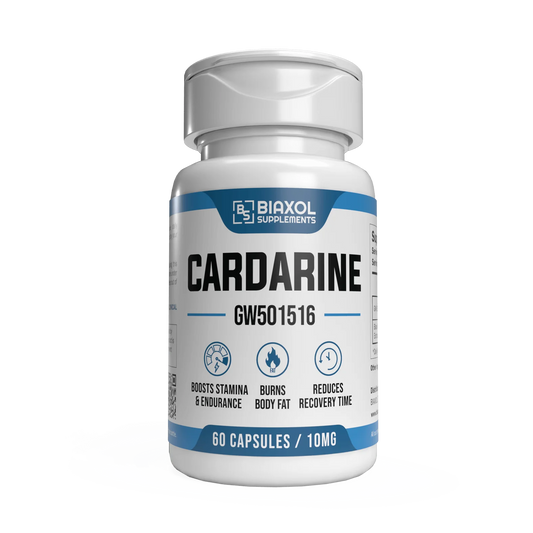
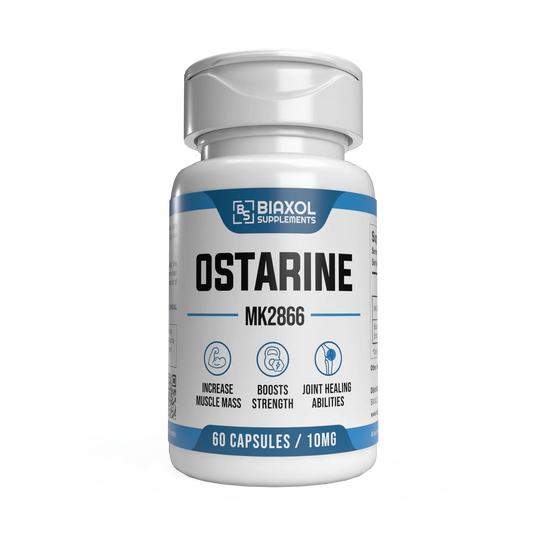
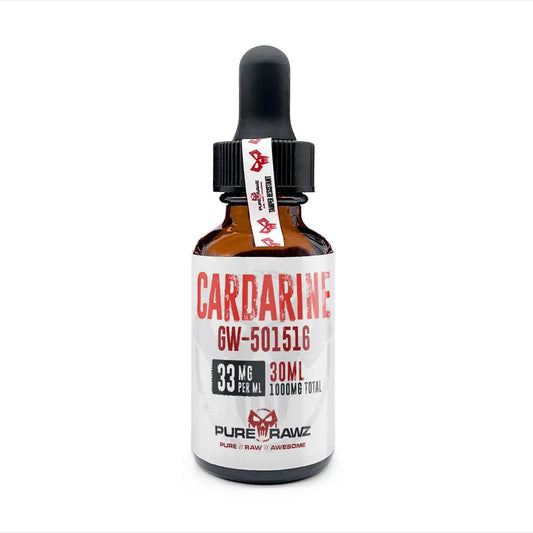
- Ostarine (MK-2866) + Cardarine (GW-501516)


Researchers may combine these to study synergistic effects on muscle tissue, recovery, or metabolic pathways.
By contrast, single compound use involves isolating one SARM in a controlled environment to examine its direct impact.
Advantages of Single Compound Research
- Cleaner Data Sets: Isolating one compound makes it easier to attribute outcomes directly.
- Regulatory Preference: Many UK and EU scientific frameworks (see MHRA guidance) prefer single-agent studies.
- Lower Variable Risk: Fewer interactions mean fewer unexpected outcomes in lab settings.
Potential Benefits of SARMs Stacks
Some research suggests that stacking may:
- Amplify Pathway Activation: Combining SARMs targeting different receptors may yield stronger effects.
- Support Complementary Research Outcomes: Example: MK-677 (growth hormone secretagogue) + RAD-140 (androgen receptor focus) could target both muscle growth and recovery markers.
- Mimic Real-World Scenarios: Researchers often model combinations because human misuse typically involves stacks.
Risks and Limitations of Stacking
- Data Complexity: Harder to isolate which compound caused which effect.
- Increased Side Effect Probability: Limited studies suggest higher risks when compounds are combined.
- Ethical and Regulatory Oversight: UK researchers must comply with Controlled Substances regulations and avoid unlicensed human applications.
For a full guide on UK rules, see: Food Supplement Labelling & Advertising Guidelines (PAGB).
Researched Outcomes: Stacks vs Single Use
While peer-reviewed human trials on SARMs remain limited, some outcomes include:
- Animal Studies (RAD-140, Ostarine): Single compound use demonstrated tissue-selective anabolic activity.
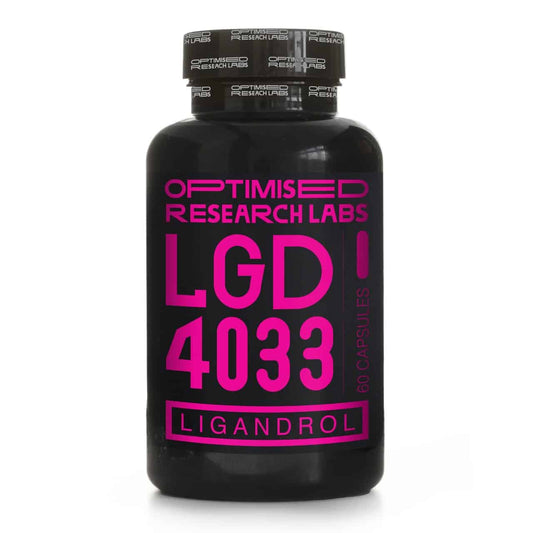
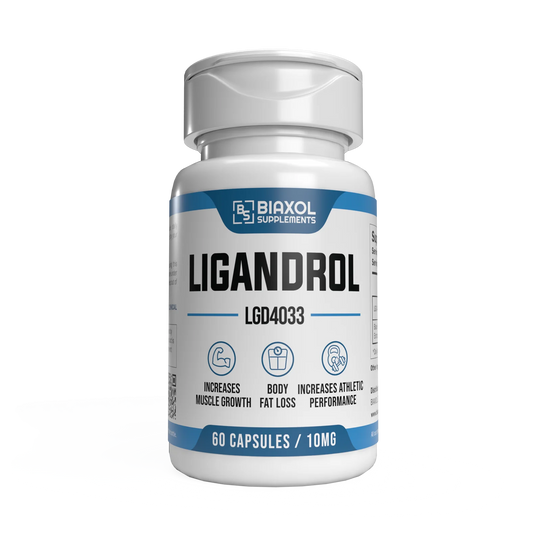
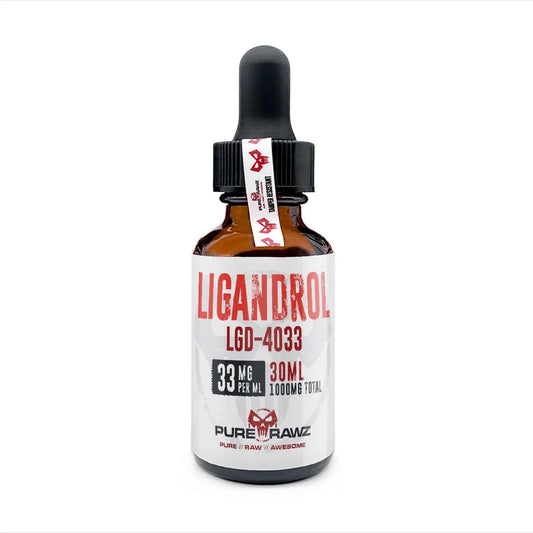
- Stacked Protocols (LGD-4033 + MK-2866): Early in-vitro models indicate additive effects on muscle protein synthesis.
- Safety Gaps: Long-term, peer-reviewed research on stacks is still lacking, making single compound use the more scientifically valid approach for controlled studies.
📌 See summary research on PubMed SARMs Trials.
Internal Links for Readers
FAQs: SARMs Stacks vs Single Use
Q: Are SARMs stacks more effective than single compounds?
A: Early data suggests stacks may amplify certain pathways, but research is limited. Most controlled studies still use single compounds.
Q: Are SARMs stacks safe?
A: Research is ongoing. Due to complex interactions, stacks may pose higher risk factors.
Q: Why do most scientific papers study single SARMs?
A: To isolate variables, reduce risk, and comply with research guidelines.
Conclusion
Both SARMs stacks and single compound research hold value, but from a scientific perspective, single use provides clearer, safer, and more reliable data. Stacking may be useful in modelling complex interactions, yet evidence remains limited.
For lab-tested SARMs and Certificates of Analysis, visit the SMART SARMS UK Store.