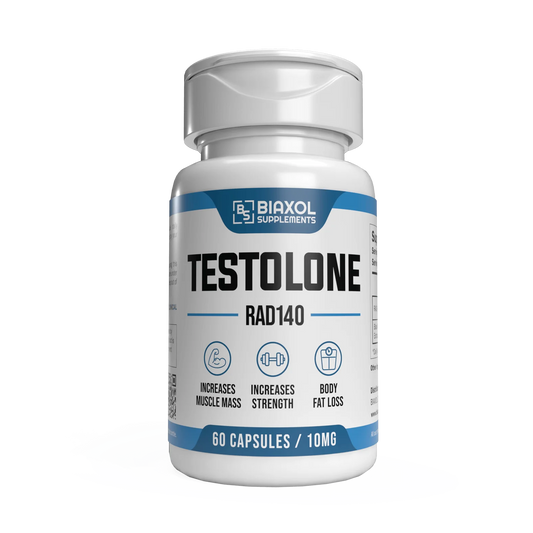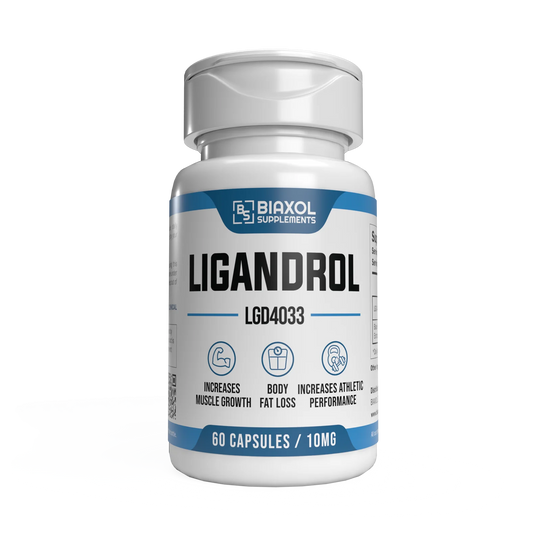
RAD-140 vs LGD-4033: A Research Comparison

Introduction
Selective androgen receptor modulators (SARMs) have become a major area of interest within performance physiology and muscle growth research. Among the most widely discussed compounds are RAD-140 (Testolone) and LGD-4033 (Ligandrol), both of which are being studied for their ability to selectively target androgen receptors involved in skeletal muscle development.
While these compounds share similar research goals, they differ in mechanism of action, receptor selectivity, and anabolic signalling pathways. Understanding these differences is important for researchers exploring muscle growth pathways, androgen receptor activation, and performance-related biological processes.
This article examines the current research surrounding RAD-140 vs LGD-4033, including their mechanisms, potential research applications, and the biological pathways that make them two of the most studied SARMs.
⚠️ Disclaimer: SARMs are sold strictly for research purposes only. They are not approved for human consumption. This article is for informational and educational purposes only.
What Are SARMs?
Selective androgen receptor modulators are compounds designed to selectively stimulate androgen receptors in muscle and bone tissue while limiting activation in other organs.
Traditional anabolic steroids activate androgen receptors throughout the body, which can lead to unwanted systemic effects. SARMs are designed to target specific tissues, which is why they have attracted attention in clinical and performance research.
Researchers have investigated SARMs for potential applications including:
- muscle wasting conditions
- osteoporosis research
- age-related muscle decline
- performance physiology
For an overview of androgen receptor biology, see this research on androgen receptor signalling pathways:
https://www.ncbi.nlm.nih.gov/books/NBK279028/

SHOP RAD-140 (TESTOLONE) COLLECTION
RAD-140 (Testolone): Mechanism and Research Focus
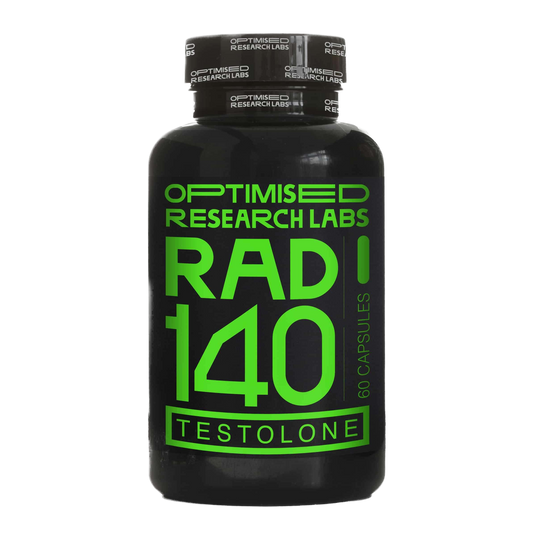
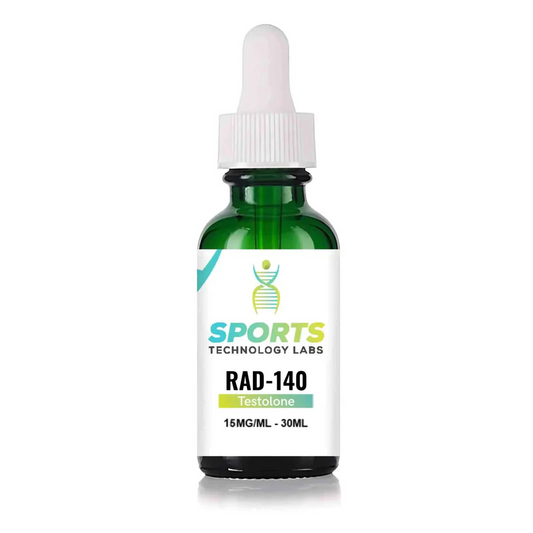
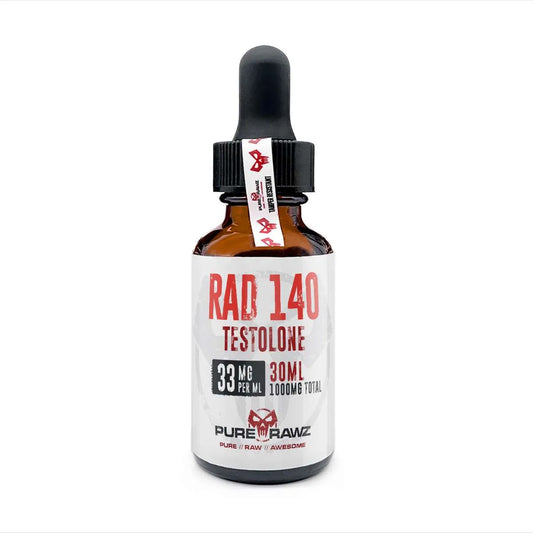
RAD-140, commonly known as Testolone, is a non-steroidal SARM developed to selectively activate androgen receptors in muscle and bone tissue.
Research has shown that RAD-140 demonstrates high affinity for androgen receptors, which may contribute to its strong anabolic signalling properties in preclinical studies.
Key Research Characteristics
- High androgen receptor binding affinity
- Strong anabolic signalling potential
- Minimal interaction with non-target tissues in early research
RAD-140 has been investigated in studies related to muscle growth signalling pathways and neuroprotective mechanisms.
One preclinical study examining RAD-140's biological activity can be found here:
https://pubmed.ncbi.nlm.nih.gov/28419939/

SHOP LGD-4033 (LIGANDROL) COLLECTION
LGD-4033 (Ligandrol): Mechanism and Research Focus
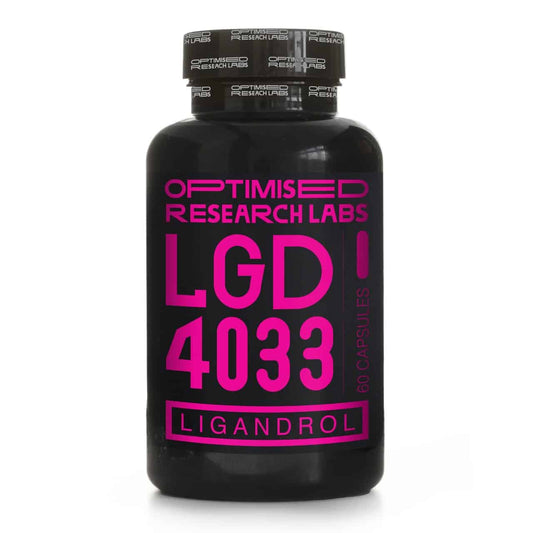
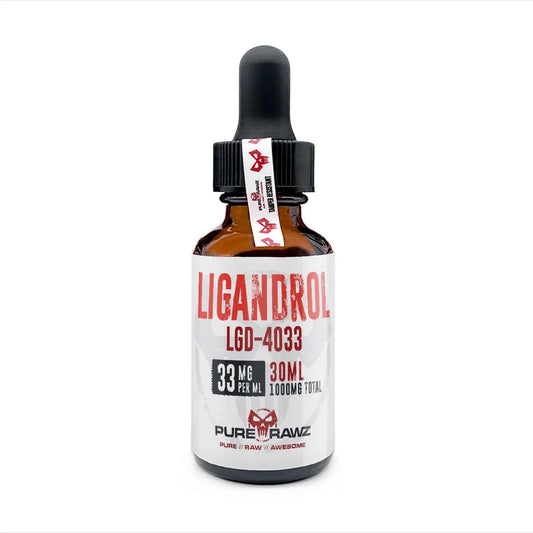
LGD-4033, also known as Ligandrol, is another well-studied SARM developed to target androgen receptors involved in muscle and bone metabolism.
Ligandrol has been evaluated in clinical trials examining its effects on lean body mass and muscle development pathways.
Key Research Characteristics
- Strong selectivity for muscle tissue
- Oral bioavailability
- Studied in human clinical trials
One placebo-controlled study investigating LGD-4033 in healthy males demonstrated increases in lean body mass over a short research period.
Read the full clinical study here:
https://pubmed.ncbi.nlm.nih.gov/25511305/
RAD-140 vs LGD-4033: Key Research Differences
| Feature | RAD-140 | LGD-4033 |
|---|---|---|
| Compound Name | Testolone | Ligandrol |
| Receptor Binding | Very high affinity | High affinity |
| Research Focus | Muscle growth signalling | Lean mass development |
| Clinical Data | Primarily preclinical | Human clinical trials |
| Selectivity | Muscle & bone | Muscle & bone |
While both compounds target androgen receptors, their research pathways differ slightly.
RAD-140 research tends to focus on anabolic signalling strength and neuroprotective potential, while LGD-4033 has been studied more extensively in clinical muscle mass research.
Androgen Receptor Selectivity in SARMs Research
The defining feature of SARMs is their ability to selectively bind androgen receptors in specific tissues.
Androgen receptors regulate genes involved in:
- muscle protein synthesis
- bone density
- metabolic signalling
- muscle fibre growth
Because RAD-140 and LGD-4033 both interact with these receptors, they are frequently examined in research related to muscle hypertrophy and performance physiology.
Related Research Compounds
Researchers studying anabolic signalling often examine several SARMs and metabolic modulators together.
You may also be interested in:
- What to know before you buy RAD-140
- Ostarine vs RAD-140 research comparison
- SLU-PP-332 next generation metabolic compound
- MK-677 vs RAD-140 research comparison
These related compounds are frequently discussed in muscle growth, metabolic signalling, and endurance pathway research.
Current Research Limitations
Although interest in SARMs continues to grow, it is important to recognise the limitations of current research.
Many studies remain preclinical or short-term, and long-term safety data is still being investigated.
Additionally, SARMs are not approved for human consumption and are generally sold strictly for laboratory research purposes.
Frequently Asked Questions
- What is the difference between RAD-140 and LGD-4033?
RAD-140 and LGD-4033 are both SARMs that target androgen receptors involved in muscle development, but they differ in receptor binding strength and research focus.
RAD-140 is often studied for its strong anabolic signalling potential, while LGD-4033 has been evaluated in clinical trials investigating lean body mass.
- Which SARM has more clinical research?
LGD-4033 currently has more published human clinical trial data compared to RAD-140, which has primarily been investigated in preclinical studies.
- Are SARMs approved for human use?
No. SARMs such as RAD-140 and LGD-4033 are not approved for human consumption and are generally sold for laboratory research purposes only.
Final Thoughts
RAD-140 and LGD-4033 remain two of the most prominent SARMs in modern research discussions. Both compounds demonstrate strong androgen receptor selectivity and continue to be investigated for their roles in muscle growth signalling, performance physiology, and metabolic research pathways.
As scientific exploration of androgen receptor modulators progresses, these compounds will likely remain key subjects of study in the broader field of muscle development and anabolic pathway research.