What Does MK 677 Do?

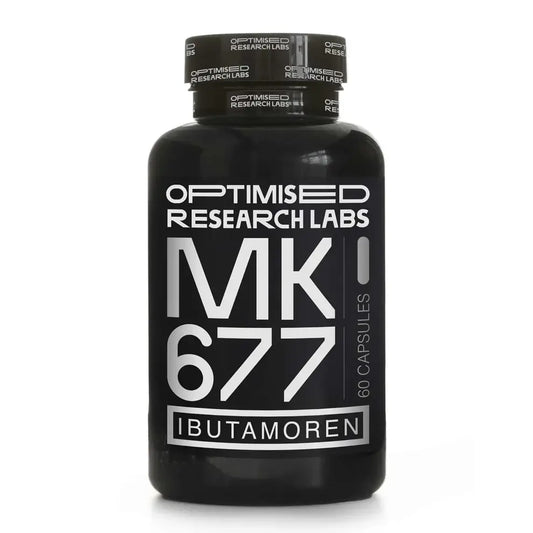
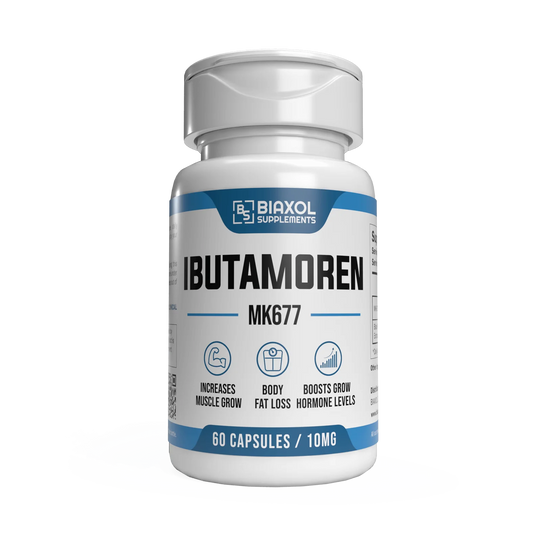
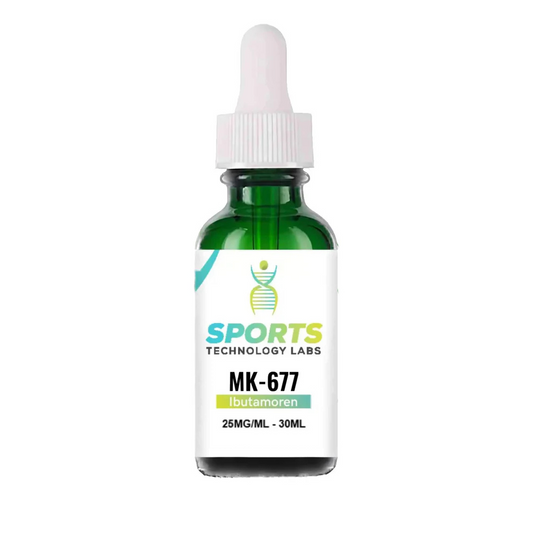
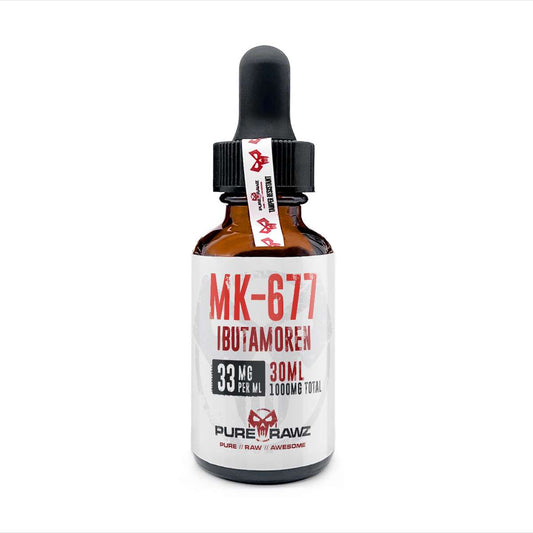
MK-677, also known as Ibutamoren, is a compound widely studied in endocrinology and metabolic research because of its ability to stimulate the body’s natural production of growth hormone (GH). Researchers have investigated MK-677 for its potential effects on muscle mass, sleep quality, bone density, and recovery.
In this article, we explore what MK-677 does, how it works biologically, and what scientific studies say about its potential benefits and risks.
⚠️ Disclaimer: SARMs are sold strictly for research purposes only. They are not approved for human consumption. This article is for informational and educational purposes only.

What Is MK-677 (Ibutamoren)?
MK-677 is a non-peptide growth hormone secretagogue, meaning it stimulates the body to release more growth hormone without being a hormone itself. It works by activating the ghrelin receptor (GHS-R1a), which signals the pituitary gland to increase the release of growth hormone and insulin-like growth factor-1 (IGF-1).
Unlike many growth-hormone-related compounds that require injections, MK-677 is orally active, which has made it an important subject of clinical and laboratory research.
Scientists originally developed MK-677 to explore treatments for conditions such as:
- Growth hormone deficiency
- Age-related muscle loss (sarcopenia)
- Bone density decline
- Muscle wasting disorders
Because it influences the GH–IGF-1 axis, researchers believe it may affect several physiological processes related to metabolism and tissue growth.
How MK-677 Works in the Body
MK-677 mimics the action of ghrelin, a hormone often referred to as the “hunger hormone.” By activating ghrelin receptors, the compound stimulates the pituitary gland to release growth hormone.
This leads to increased circulating levels of:
- Growth Hormone (GH)
- Insulin-Like Growth Factor-1 (IGF-1)
Clinical research shows that MK-677 can increase growth hormone levels significantly, with one controlled study reporting nearly a 97% increase in mean 24-hour GH concentration after administration.
These hormonal changes influence multiple biological processes, including muscle metabolism, recovery, sleep cycles, and bone remodelling.
Potential Effects of MK-677
1. Increased Growth Hormone and IGF-1 Levels
The most well-documented effect of MK-677 is its ability to increase GH and IGF-1 levels. Studies show sustained increases in IGF-1 levels—sometimes restoring them to ranges commonly seen in younger adults.
Higher GH and IGF-1 levels are associated with:
- Muscle tissue development
- Fat metabolism
- Cellular repair processes
2. Potential Muscle and Lean Mass Effects
Research suggests MK-677 may increase fat-free mass in some populations, particularly older adults or individuals with growth hormone deficiencies.
Growth hormone and IGF-1 are known to promote protein synthesis, which plays a role in muscle growth and recovery.
3. Improved Sleep Quality
Another commonly observed effect is improved sleep architecture. Research indicates MK-677 may increase deep sleep and REM sleep cycles, which are closely linked to natural nighttime growth hormone release.
Deep sleep plays an essential role in:
- Physical recovery
- Hormonal balance
- Cognitive performance
4. Potential Bone Density Benefits
Studies exploring MK-677 in aging populations have shown increases in bone mineral density markers, suggesting possible benefits for bone health and fracture prevention.
Growth hormone influences bone remodelling, and IGF-1 is a critical factor in maintaining skeletal strength.
5. Appetite Stimulation
Because MK-677 mimics ghrelin signalling, increased hunger is a commonly reported effect.
While appetite stimulation may support increased caloric intake in some research contexts, it can also lead to weight gain if energy intake exceeds metabolic needs.
Potential Side Effects and Risks
Although MK-677 has shown promising biological effects in research settings, it may also produce side effects. Some of the commonly reported ones include:
- Increased appetite
- Fluid retention or bloating
- Changes in insulin sensitivity
- Elevated blood glucose levels in long-term studies
Additionally, MK-677 is not approved as a medical treatment, and its long-term safety profile is still being studied.
Because of this, most regulatory bodies classify it as a research compound rather than a therapeutic drug.
MK-677 vs SARMs: Important Differences
Although often discussed alongside SARMs, MK-677 is not technically a SARM.
Key differences include:
| Feature | MK-677 | SARMs |
|---|---|---|
| Mechanism | Growth hormone secretagogue | Androgen receptor modulators |
| Hormonal system affected | GH–IGF-1 axis | Androgen receptors |
| Administration | Oral | Usually oral |
| Classification | Research compound | Research compounds |
Instead of interacting with androgen receptors like SARMs, MK-677 works through hormonal signalling related to growth hormone release.
Current Research and Future Potential
Researchers continue studying MK-677 for possible therapeutic applications, particularly in:
- Age-related muscle loss
- Bone density decline
- Hormonal deficiencies
- Metabolic health
Because it can increase GH and IGF-1 levels without injections, scientists see potential in developing new treatments for endocrine and metabolic disorders.
However, additional long-term studies are required to fully understand its safety and effectiveness.
Key Takeaways
- MK-677 (Ibutamoren) is a growth hormone secretagogue that stimulates GH and IGF-1 production.
- It works by activating ghrelin receptors, influencing the body’s natural hormone release patterns.
- Research suggests potential effects on muscle mass, sleep quality, bone density, and metabolism.
- MK-677 remains under investigation and is not approved as a medical treatment.