Are SARMs Peptides?

Introduction — Are SARMs Peptides?
If you’ve been researching performance-enhancing compounds, you’ve probably seen the terms SARMs and peptides used together — sometimes interchangeably. But are SARMs peptides? No — SARMs (Selective Androgen Receptor Modulators) are not peptides, even though both are popular in research communities and fitness discussions. Understanding the difference is key for safety, function, and legality.
In this article, we’ll explain exactly what SARMs and peptides are, how they differ biologically, and why the distinction matters to athletes, researchers, and consumers.
What Are SARMs? (Selective Androgen Receptor Modulators)

SARMs are a class of synthetic compounds designed to selectively bind to androgen receptors in muscle and bone tissue. They were developed to mimic the effects of anabolic steroids — such as increased lean muscle and strength — with fewer side effects.
Key Characteristics of SARMs
- Non-peptide synthetic molecules
- Bind to androgen receptors
- Aim for targeted tissue effects
- Often researched for muscle wasting, osteoporosis, and hormone therapy
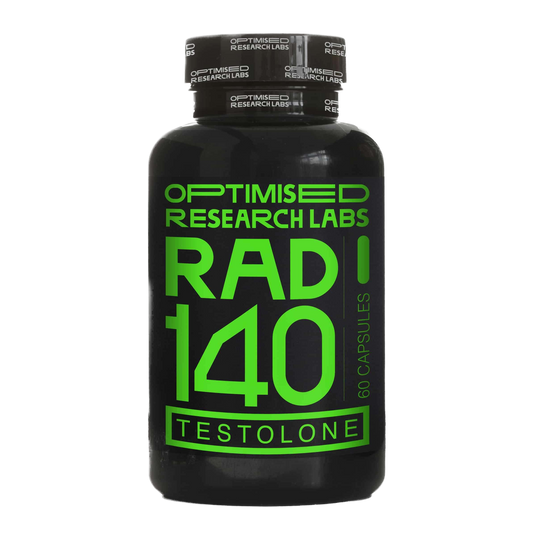
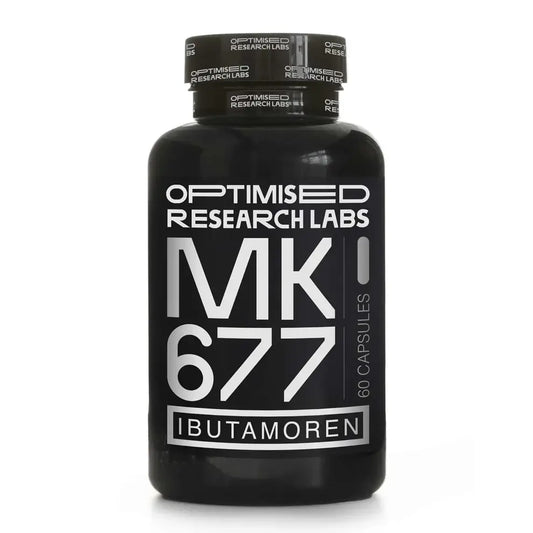
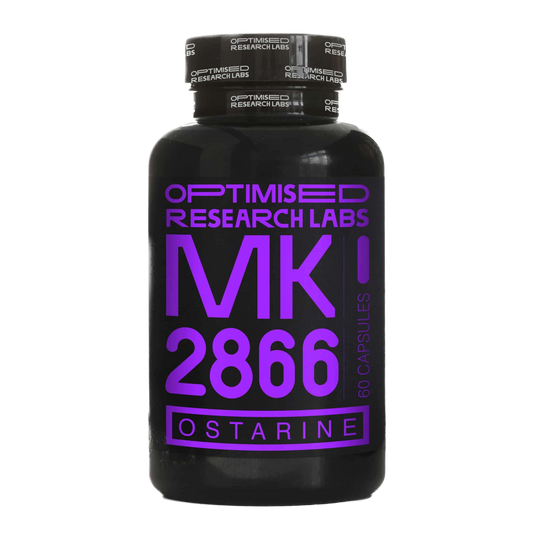
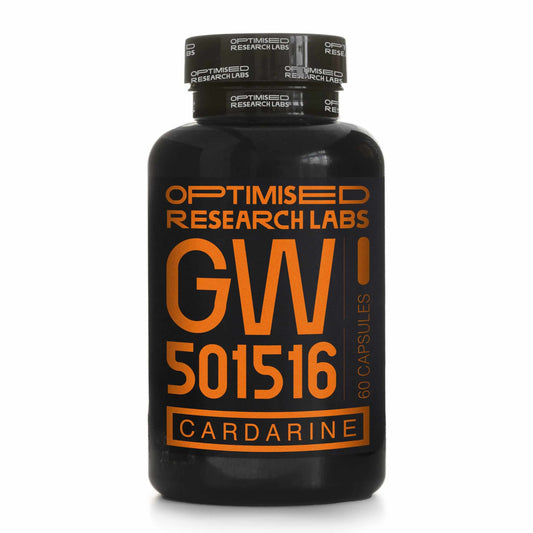
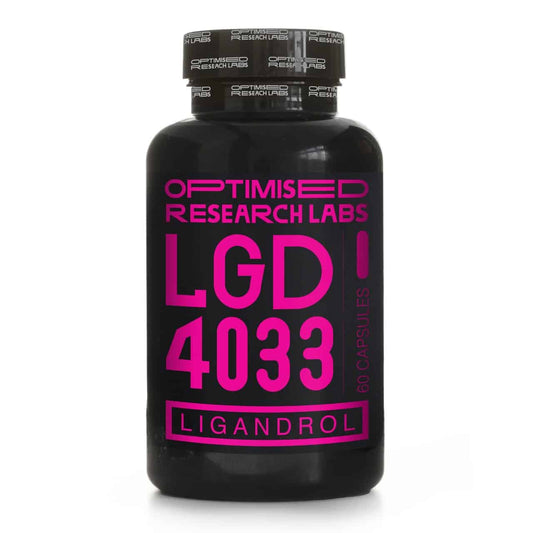
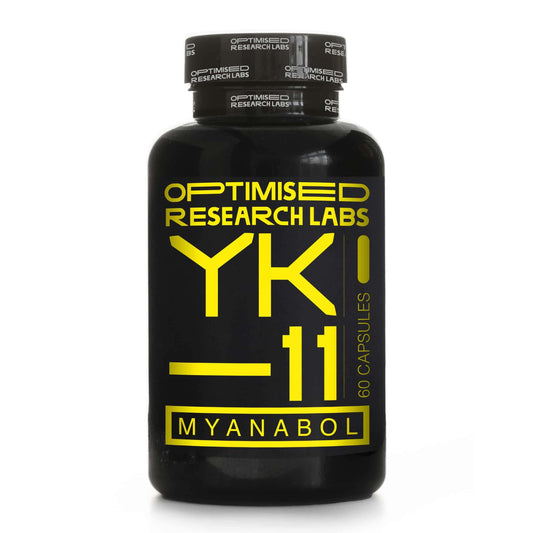
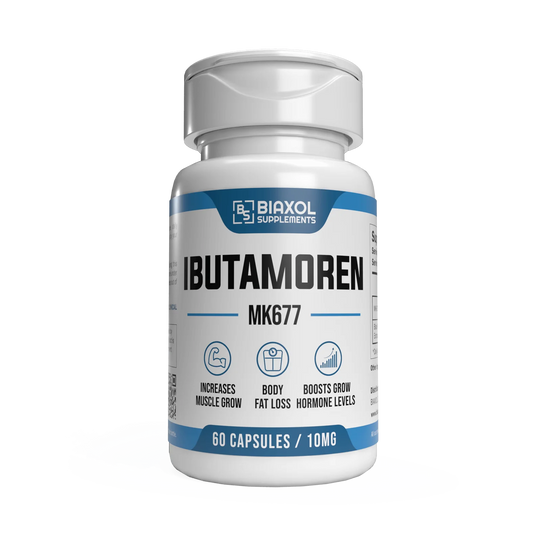
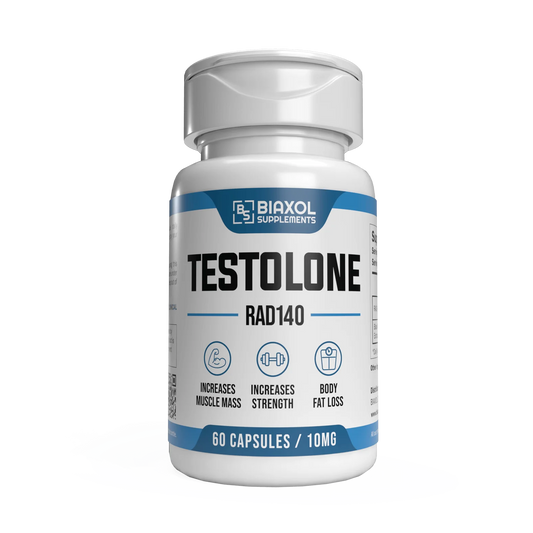
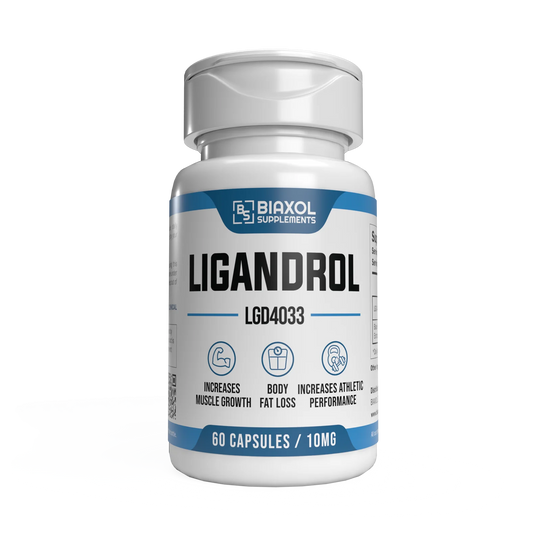
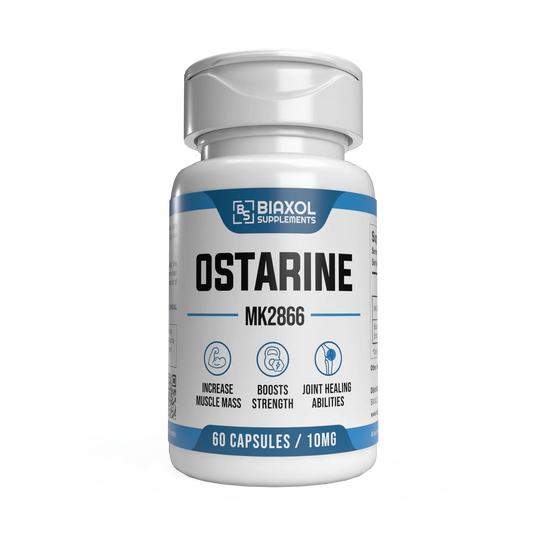
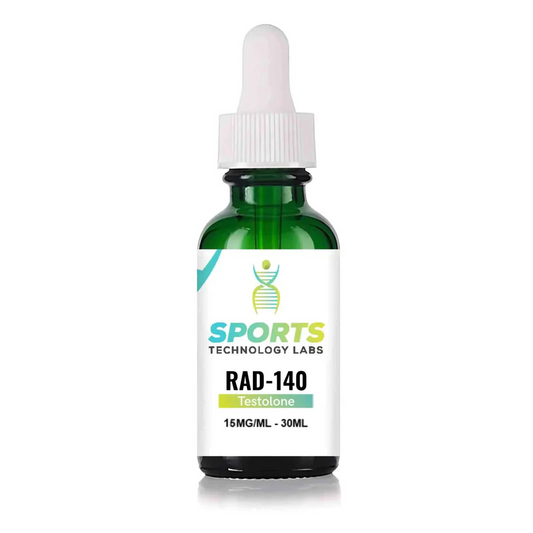
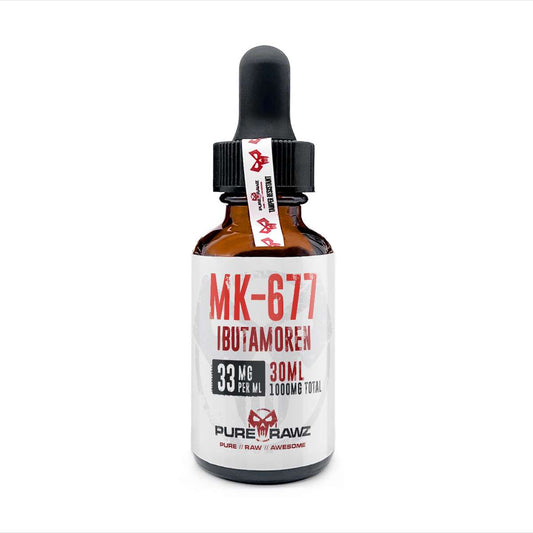
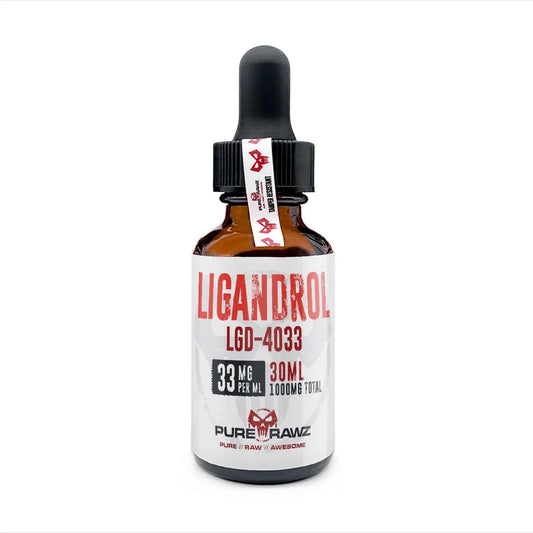
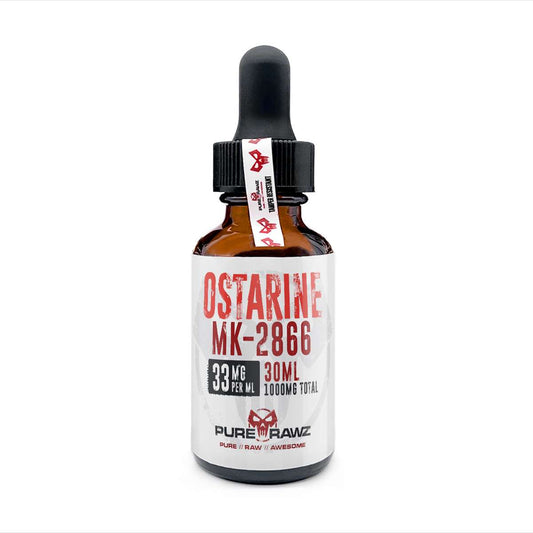
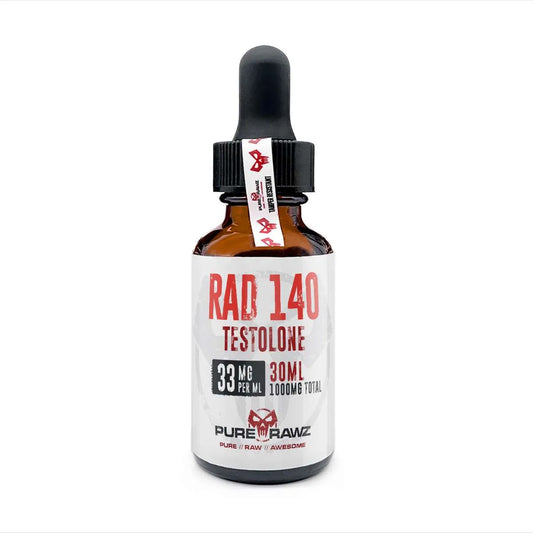
Popular SARMs examples:
Because SARMs are not peptide-based, they have very different chemical structures and metabolic pathways.
What Are Peptides?
Peptides are short chains of amino acids — the building blocks of proteins. They play many roles in the body, acting as signaling molecules that regulate hormones, tissue repair, metabolism, and more.
Common Peptides in Fitness or Research
- BPC-157 — studied for healing and recovery
- TB-500 (Thymosin Beta-4) — recovery and tissue repair
- IGF-1 LR3 — insulin-like growth factor with muscle-related effects
Unlike SARMs, peptides are made of amino acids and often act through hormonal or cellular signalling, not by binding androgen receptors.
SARMs vs Peptides — What’s the Difference?
| Feature | SARMs | Peptides |
|---|---|---|
| Chemical Type | Synthetic small molecules | Amino acid chains |
| Biological Target | Androgen receptors | Hormone signaling / cellular pathways |
| Common Use | Muscle growth research | Recovery, healing, hormone regulation |
| Structure | Not peptide based | Peptide based |
| Examples | Ostarine, Ligandrol | BPC-157, TB-500 |
Key Takeaway
SARMs are not peptides — they are chemically distinct and act in different ways in the body.
Why People Confuse SARMs and Peptides
There are a few reasons the two get mixed up:
- Both are discussed in fitness and research circles
- Both are sometimes sold in the same communities
- Both claim targeted biological effects
But the overlap ends there: SARMs and peptides work differently and are studied for different purposes.
How SARMs and Peptides Work in the Body
SARMs Mechanism
SARMs bind selectively to androgen receptors in muscle and bone tissue. This aims to promote anabolism (growth) without widespread hormonal disruption.
Peptides Mechanism
Peptides usually act as messengers — they bind to specific receptors or influence hormone release to affect cellular activity.
Understanding these mechanisms helps clarify why SARMs are not peptides and why they shouldn’t be treated interchangeably.
Common Uses (Research Only, Not Medical Advice)
Both SARMs and peptides appear in scientific research contexts, but neither is approved by many major regulators (e.g., FDA) for general use outside controlled studies.
Why knowing the difference matters:
- Improves understanding of scientific literature
- Helps consumers ask the right questions
- Avoids mixing up compounds with different effects
Safety, Regulations, and Legal Status (2026 Update)
Because they are biologically active, both SARMs and peptides are subject to regulation and compliance oversight in many countries. SARMs often fall into banned substances lists for athletics, and peptides may require prescription or research authorisation depending on local law.
Always check local regulatory guidance before considering research or applications.
Conclusion — Are SARMs Peptides?
No — SARMs are not peptides.
They are distinct classes of compounds with different structures, mechanisms, and research uses.
Understanding this helps separate scientific fact from marketing confusion. If your focus is research, health literacy, or safety, knowing the difference is essential.
Frequently Asked Questions (FAQs)
Q: Can SARMs turn into peptides in the body?
A: No — they are chemically different and do not convert into peptides.
Q: Are peptides safer than SARMs?
A: “Safer” depends on the specific compound, context, and research data. Always consult scientific literature.
Q: Can peptides build muscle like SARMs?
A: Some peptides influence growth pathways, but they do not act the same as SARMs and results vary.